
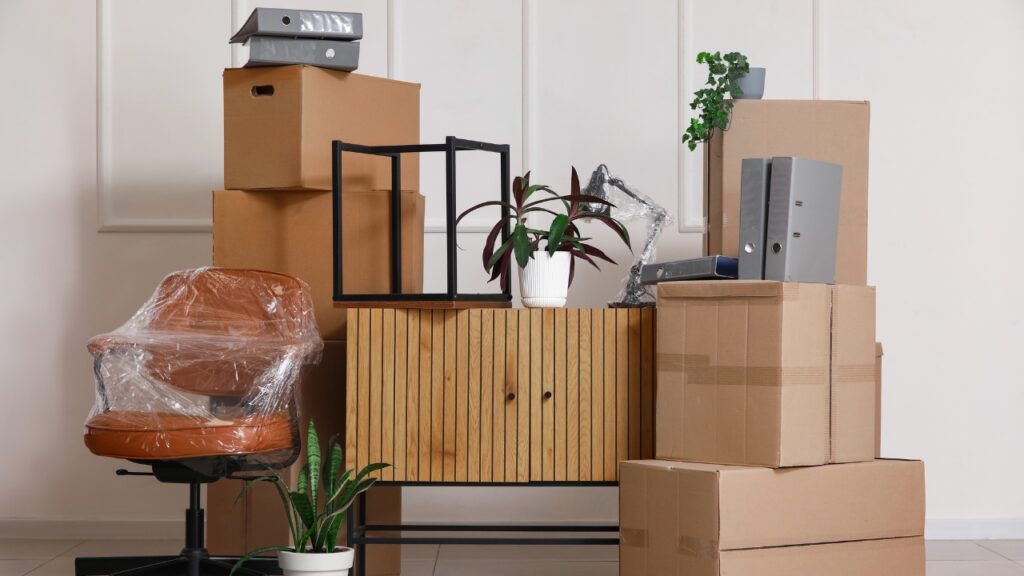
Moving should feel exciting, not risky. Yet AFRA data shows many Australians report damage during relocations, with common casualties like tables, sofas and bed frames. The difference between a stressful move and a smooth one is process. This guide explains how professional removalists plan, pack, load and transport to protect your belongings, whether you are moving a home, an office or an insured claim.
Plan, assess and document risk
Good protection starts before a single box is taped.
Inventory and triage
- Identify fragile, high-value and bulky pieces, plus antiques and glass.
- Decide what to move, what to donate, and what needs specialist handling.
Measure access and map routes
- Measure doorways, hallways, stairs and lifts; check truck parking and loading zones.
- Pre-plan the exit path and sequence of large items to avoid bottlenecks.
Condition reports and photos
- Photograph existing marks on major pieces and key surfaces.
- Label risk items with handling notes like This Side Up or Do Not Stack.
Materials that make the difference
Professionals protect at the surface level first, then add structure and restraint.
Core protection kit
- Furniture blankets and padded wraps for cushioning.
- Stretch film and bubble wrap to secure coverings without sticking tape to finishes.
- Corner guards and foam for edges, carvings and glass.
- Double-walled cartons and crates for components and small breakables.
- Quality tape, ratchet straps and ties to lock everything in place.
Smarter, greener choices
- Recycled blankets and pads, biodegradable tape, and reusable straps reduce waste.
Preparation that prevents damage
Disassemble and lighten loads
- Remove legs, shelves, headboards and glass where practical.
- Empty drawers and cupboards to reduce weight and shifting.
Clean, label and bag hardware
- Quick dust and wipe to prevent abrasion.
- Bag, label and tape screws, bolts and fittings to their parent item.
Professional wrapping and packing methods
Item-by-item protection
- Sofas and lounge chairs: Blanket-wrap fully, then secure with stretch film; add floor runners to avoid scuffs on exit.
- Timber furniture: Never tape to finished surfaces. Pad first, then wrap; protect corners and feet.
- Mattresses: Use dedicated covers for hygiene and tear resistance.
- Glass, mirrors and stone tops: Cardboard panels slightly larger than the surface, bubble wrap, then fragile labels.
- Antiques and delicate pieces: Foam around carvings; acid-free tissue on sensitive finishes; custom crates for ultra-fragile items.
Strategic loading and secure transport
Loading is where damage often happens. Pros build stability layer by layer.
Truck packing that prevents movement
- Heavy, sturdy items on the bottom as a base; lighter on top.
- Keep weight balanced left-right and front-back to reduce sway.
- Strap sections tightly to anchor points; fill gaps with pads so nothing rubs.
- Maintain airflow for sensitive materials; avoid overwrapping that traps moisture.
On-site techniques for tight access and tricky buildings
Experienced crews turn awkward spaces into controlled moves.
Safe movement tools and teamwork
- Dollies and hand trucks for steady rolling instead of risky lifts.
- Lifting straps to share weight and protect backs and frames.
- Sliders to glide heavy items without scratching floors.
- Clear roles, countdowns and resets on corners and stairs; no rushed turns.
Protecting the property as well as the furniture
- Floor runners on timber, tiles and carpet; door jamb protectors at pinch points.
- Lift bookings, building protection and timing to suit strata rules.
If you are comparing options for a Victorian move, review local expertise with furniture removalists melbourne and confirm access planning is part of the service.
Office, government and insurance-grade moves
For office relocations and public sector moves, protection is about assets, continuity and compliance.
What professionals provide
- Detailed scope, risk assessment and method statements.
- Certificates of currency: public liability, workers compensation and transit cover.
- Condition reports, asset registers and barcode or colour-coded labels.
- IT and records protection: anti-static wraps, screen covers, computer crates, chain-of-custody for sensitive items.
- After-hours scheduling, lift reservations and security coordination to minimise downtime.
Claims and procurement teams should confirm AFRA accreditation, valuation options and clear escalation paths for incident resolution.
Storage without surprises
When timelines slip, proper storage keeps items safe.
- Choose climate-controlled storage for wood, upholstery and instruments.
- Elevate furniture on pallets; maintain airflow around items.
- Use breathable fabric covers instead of sealed plastic to prevent trapped moisture and mildew.
DIY vs pro: when to call in experts
DIY works for simple, light moves. Call professionals when you face:
- Tight access, stairs, long carries or high-rise rules.
- Oversized, heavy or fragile pieces, antiques and glass.
- Office and multi-site moves with asset tracking and strict timelines.
- Insurance or compliance requirements demanding condition reports and certificates.
For metropolitan projects, you can also compare crews of experienced removalists melbourne who bring the tools, materials and documentation you need.
Protect your move with expert removalists
Ready to move without the what-if stress? Get tailored packing, access planning and secure transport from a trusted local team. To lock in dates and pricing fast, request your move details via Get a Free Quote. We will respond promptly with a plan that keeps every item protected, end to end.